


|
is severe or life threatening. The most common late effects of childhood cancer are neuro cognitive and psychological, cardiopulmonary, endocrine (e.g., those affecting growth and fertility), musculoskeletal, and second malignancies. The possible side effects are brought up again in the book Adult Survivors of Childhood Cancer Are at Excess Risk for Heart Disease. With some figures to put it in perspective so we can see just how many may have to face other health problems, Paul Mueller goes on to report to us: Survivors (mean age at diagnosis, 6 years) received cancer treatment between 1970 and 1986; more than half received both chemotherapy and radiation. Survivors were significantly more likely to report congestive heart failure. With all the research and studies that are being done to cure childhood cancers it is no wonder that these survival rates have gone up from where they were at thirty years ago. An article in NewsRx Health tells about the new research that has found a new way of diagnosing and treating intractable pediatric brain tumors. “New hope for diagnosis and treatment of intractable pediatric brain tumors”, it reads: “Scientists have discovered oncogenes capable of driving growth of normal human brain stem cells in a highly malignant pediatric brain tumor.”
|

|
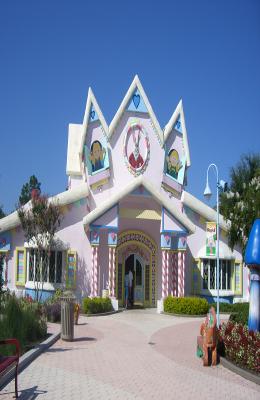
The Gingerbread House. They served breakfast and dinner here everyday. Yummy |
|
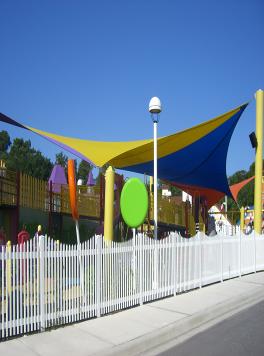
Candy Land Park. Yes a park setup just like the Candy Land Game. The Kids LOVED it. |